
“I want to do something about the redness around my nose and cheeks…!”
“Can skincare or makeup really hide facial redness?”
If these questions sound familiar, you are not alone in struggling with facial redness. While proper skincare can help ease the symptoms, addressing the underlying cause requires treatment at a clinic.
On this page, we explain the causes of facial redness and how to manage it.
🔸 What this article covers
- 📌 Causes of facial redness
- 📌 Skincare approaches
- 📌 How to conceal redness with makeup
- 📌 Clinical treatment options
Read on to the end for all the details.

🎯 What Is Facial Redness? Two Main Causes of Skin Redness

💡 Facial redness is medically defined as persistent facial erythema, primarily caused by skin conditions such as rosacea and telangiectasia (References 1, 7). These conditions are known to involve abnormal vascular reactivity and inflammatory responses (Reference 5).
Facial redness can arise from the following causes, for example:
- ✅ Symptoms due to skin inflammation
- ✅ Symptoms due to telangiectasia
⚠️ Accurate diagnosis is essential when selecting treatment for facial redness, as the most appropriate approach differs depending on the rosacea subtype and the severity of telangiectasia (Reference 14). A Cochrane systematic review has confirmed that both pulsed dye laser and IPL are recommended as effective treatment options (Reference 14).
🦠 Inflammation | Redness Triggered by Acne, Dryness, or Dermatitis
One cause of facial redness is inflammation and irritation resulting from external stimuli.
Skin concerns such as acne, dryness, and dermatitis can lead to visible redness.
In some cases, recurring inflammatory acne that becomes chronic can also cause persistent redness.
💡 Inflammatory erythema occurs when the release of inflammatory cytokines increases vascular permeability and promotes angiogenesis (Reference 8). Additionally, abnormal activation of the innate immune system leading to a sustained state of chronic inflammation is considered central to the pathophysiology of rosacea (Reference 5).
🔸 Telangiectasia | Dilated Capillaries Becoming Visible at the Skin Surface
📌 Telangiectasia is a condition in which dilated capillaries measuring 0.1–1.5 mm in diameter become visible at the skin surface (Reference 9). This condition is thought to develop through multiple contributing factors, including genetic predisposition, UV exposure, hormonal fluctuations, and trauma (Reference 1).
The presentation of telangiectasia varies from person to person—some individuals show minimal visible vessels, while others have blood vessels that appear as distinct lines on the skin surface. Symptoms are particularly common around the nose and cheeks, where capillaries are concentrated.
Telangiectasia tends to be more noticeable in fair-skinned individuals or those with thin skin, and a congenital predisposition can also be a contributing factor.
In addition, redness can be triggered by temperature changes or emotional stress, so symptoms may appear more pronounced when you are nervous or have consumed alcohol.
⚠️ Facial Redness Can Sometimes Be Caused by Cleansing and Face Washing
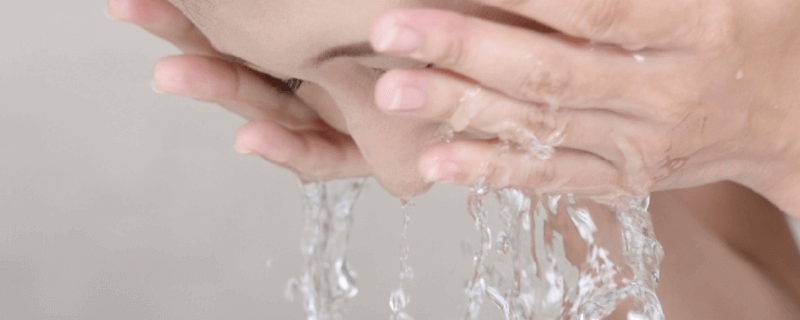
Facial redness can also develop when you scrub your face too vigorously during cleansing or face washing.
The stratum corneum on the face is only about 0.02 mm thick—roughly the same as a single sheet of plastic wrap. This means that rubbing too hard when washing can damage the skin.
Facial redness can also result from:
- 🔸 Using a cleanser with an excessively high cleansing power
- 🔸 Overusing scrubs or chemical peels
To reduce stress on the skin, opt for gentle formulas such as milk-type or cream-type cleansers. Wipe-off and oil-based cleansers tend to be more irritating.
Also, using scrubs or peeling products too frequently can over-exfoliate the outermost layer of skin, weakening the skin barrier and making redness more likely to occur. Adjust how often you use these products based on your skin’s condition.
💊 Can Toner Help with Facial Redness? At-Home Skincare Options
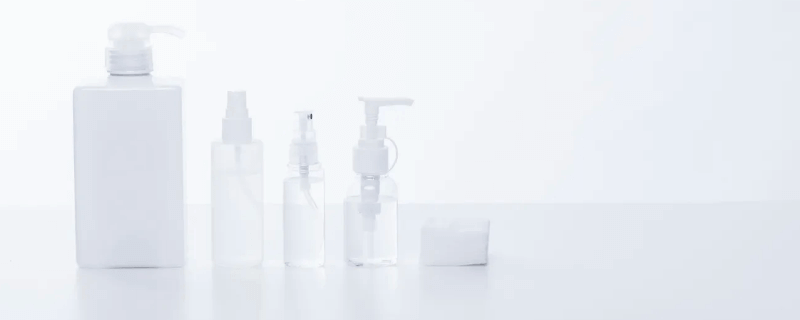
💡 Making good use of moisturizing products such as toners and creams may help ease the symptoms of facial redness.
If skin redness is being triggered by your own sebum, look for toners or creams formulated to help regulate sebum production. For example, skincare products containing vitamin C derivatives or rice power extract may help support sebum control.
Also, skin with visible redness tends to be in a sensitive state, so moisturizing with low-irritation products is key. Delivering moisturizing ingredients such as ceramide into the skin can help strengthen the skin barrier, which may contribute to reducing redness.
⚠️ However, because constitutional factors also play a role in facial redness, conditions such as rosacea and telangiectasia involve structural and functional vascular abnormalities, meaning symptomatic skincare alone cannot be expected to address the underlying cause (Reference 13). While appropriate skincare is useful in preventing symptoms from worsening, medical intervention is required for treatment (Reference 15).
Think of skincare and self-care as a way to ease and help prevent redness, rather than a definitive solution.
✨ How to Cover Facial Redness with Makeup: Base Makeup by Redness Type
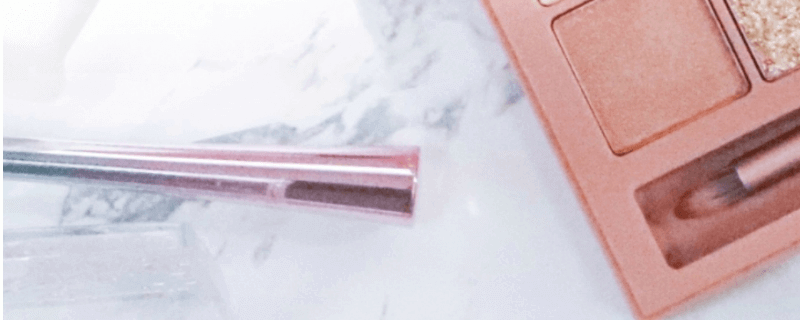
💡 Adjusting your makeup technique is another way to conceal facial redness.
Specifically, products such as color-correcting primers, concealers, and foundation can be effective for covering redness.
🎨 Choose your makeup shades based on the type of redness you have.
| Color | Type of Redness |
|---|---|
| Green | Rosy, apple-cheeked redness |
| Blue | Redness with a slightly dull tone |
| Yellow | Strong bluish undertone to the skin Overall redness across the face |
⚠️ Green and blue are effective at neutralizing redness, but they can also make your complexion appear sallow or unwell.
In particular, applying too much green can leave the skin looking pale or washed out. It is a good idea to check your complexion in a mirror as you apply your makeup to make sure it does not end up looking dull.
🚨 As a note, avoid pink or purple shades, as these add more red tones to an already flushed complexion.
🏥 For a Long-Term Approach to Facial Redness, Consult a Clinic
⚠️ Skincare and makeup alone will not address the underlying cause of facial redness, as over-the-counter cosmetics are not intended for treatment purposes.
💡 If your facial redness is not responding well to skincare, please consider exploring treatment options at a clinic. At a clinic, the cause of your facial redness can be properly diagnosed, and you can receive treatment suited to your specific symptoms.
🔍 It is not always easy to determine on your own whether redness stems from inflammation and irritation or from telangiectasia. Continuing with skincare without understanding the cause not only risks failing to improve the condition but could even make symptoms worse.
✨ For a more effective approach to reducing redness and facial flushing, we recommend booking a consultation at a clinic.
🔍 Facial Redness Treatments at IC Clinic

🎯 IC Clinic offers the following three treatments for facial redness.
- ✅ V-Beam
- ✅ Photofacial (IPL) (ICON)
- ✅ Q-Switched YAG Laser (Spectra)
We will explain each treatment option in detail below.
💧 V-Beam
V-Beam is a laser treatment used to address telangiectasia and facial redness.
📌 While conventional lasers target black melanin pigment (the cause of spots and freckles), the pulsed dye laser (V-Beam) uses a 595 nm wavelength that is selectively absorbed by hemoglobin, enabling targeted destruction of dilated blood vessels (Reference 2). Improvement rates of 75–90% have been reported for telangiectasia (Reference 2), and its effectiveness for erythematotelangiectatic rosacea has also been established (Reference 3).
In addition, improvements in fine lines and skin firmness and radiance may also be expected.
⚡ The sensation during a V-Beam treatment is often compared to a snap of a rubber band. This means the discomfort and burden on the skin are both relatively mild. Sensations vary from person to person, but if you are concerned about discomfort during treatment, V-Beam may be worth considering.
V-Beam treatment can be expected to deliver results through a course of repeated sessions. Under insurance coverage, treatment is available up to once every three months. For self-pay patients who wish to receive treatment more frequently, sessions once a month may also be possible.
💊 Facial redness caused by “port-wine stain,” “infantile hemangioma,” or “telangiectasia” may be eligible for insurance-covered treatment.
For more details about our V-Beam treatment, please visit the page below.
✨ Photofacial (IPL) (ICON)
📌 IPL treatment uses a broad wavelength spectrum of 515–1200 nm, targeting both melanin pigment and hemoglobin (Reference 11). Systematic reviews have confirmed that IPL demonstrates effectiveness for telangiectasia and erythematous rosacea (Reference 11). By acting on melanin pigment and hemoglobin, it is effective for concerns such as spots, freckles, dullness, acne, and acne scars.
The photofacial device used at our clinic, “ICON,” is an advanced treatment device equipped with a powerful cooling system, allowing high-intensity light to be delivered.
💡 With standard photofacial treatments, there is a risk of burns if the skin has been exposed to the sun. However, our photofacial treatment uses a shorter irradiation time, which reduces the risk of burns.
After treatment, side effects such as crusting or blistering may occur in some cases, but these typically resolve on their own within a few days.
For more details about our photofacial treatment, please visit the page below.
🔸 Q-Switched YAG Laser (Spectra)
The Q-Switched YAG Laser is a treatment for removing skin pigmentation such as spots and freckles.
At our clinic, we use Spectra, a device within the Q-Switched YAG Laser category. In addition to spots and freckles, it is a device that may also be expected to support acne treatment. It can help address redness caused by acne-related inflammation, while also offering potential skin-beautifying benefits.
The number of sessions varies depending on individual constitution and symptoms, but treatment is generally recommended approximately once a month. Multiple sessions in a short period are not required.
💊 Q-Switched YAG Laser (Spectra) is a self-pay treatment and is not covered by insurance.
For more information about the Q-Switched YAG Laser, please visit the page below.
👨⚕️ Clinical Trends at Our Clinic [Physician’s Comment]
From Dr. Kota Takakuwa (Lead Physician at our clinic)
🏥 At our clinic, the number of patients presenting with facial redness has increased by approximately 30% compared to last year, and we have seen a notable number of patients whose redness has become chronic following skin problems associated with extended mask-wearing. Many patients come to us having reached the limits of self-care. In many cases, accurate diagnosis reveals that insurance-covered treatment is available, and there is a tendency for outcomes to be more favorable when treatment is started early.
💡 For Facial Redness Treatment, Visit IC Clinic
📋 The causes of facial redness vary from person to person, but the two main contributing factors are:
- 🔸 Inflammation
- 🔸 Telangiectasia
While options such as improving your skincare routine or concealing redness with makeup are available, addressing the underlying cause of redness and facial flushing calls for clinical treatment.
🏥 At IC Clinic, we offer a range of treatments that work at deeper layers of the skin to address facial redness. If you are interested in treatment options that go beyond self-care, we welcome you to consult with us at IC Clinic.
📝 References
- Two AM, Wu W, Gallo RL, Hata TR. Rosacea: part I. Introduction, categorization, histology, pathogenesis, and risk factors. Journal of the American Academy of Dermatology. 2015;72(5):749-758.
- Alam M, Dover JS, Arndt KA. Treatment of facial telangiectasias with variable-pulse high-fluence pulsed-dye laser: comparison of efficacy with different pulse durations. Dermatologic Surgery. 2003;29(4):385-391.
- Neuhaus IM, Zane LT, Tope WD. Comparative efficacy of nonpurpuragenic pulsed dye laser and intense pulsed light for erythematotelangiectatic rosacea. Dermatologic Surgery. 2009;35(6):920-928.
- Bernstein EF, Bhawalkar J, Schwartz R. Pulsed dye laser treatment of telangiectases with purpura-free and purpura-associated regimens. Archives of Dermatology. 2008;144(2):259-263.
- Steinhoff M, Buddenkotte J, Aubert J, et al. Clinical, cellular, and molecular aspects in the pathophysiology of rosacea. Journal of Investigative Dermatology Symposium Proceedings. 2011;15(1):2-11.
- Schroeter CA, Neumann HA. Treatment of facial telangiectasias using intense pulsed light: A retrospective analysis. Dermatologic Surgery. 2007;33(10):1177-1181.
- Powell FC. Rosacea. New England Journal of Medicine. 2005;352(8):793-803.
- Del Rosso JQ, Gallo RL, Kircik L, et al. Why is rosacea considered to be an inflammatory disorder? The primary role of abnormal innate immune response in rosacea-prone skin. Journal of Drugs in Dermatology. 2012;11(6):694-700.
- Ozyurt K, Colgecen E, Baykan H, et al. Facial telangiectasias: a review. Journal of Cosmetic Dermatology. 2014;13(1):96-100.
- Garden JM, Bakus AD, Paller AS. Treatment of cutaneous hemangiomas by the flashlamp-pumped pulsed dye laser: prospective analysis. Journal of Pediatrics. 1992;120(4 Pt 1):555-560.
- Wat H, Wu DC, Rao J, Goldman MP. Application of intense pulsed light in the treatment of dermatologic disease: a systematic review. Dermatologic Surgery. 2014;40(4):359-377.
- Tan ST, Itinteang T, Day DJ, et al. Treatment of infantile haemangioma with propranolol: reporting a series and review of the literature. Journal of Plastic, Reconstructive & Aesthetic Surgery. 2011;64(10):1292-1299.
- Buddenkotte J, Steinhoff M. Recent advances in understanding and managing rosacea. F1000Research. 2018;7:1885.
- van Zuuren EJ, Fedorowicz Z, Carter B, van der Linden MM, Charland L. Interventions for rosacea. Cochrane Database of Systematic Reviews. 2015;(4):CD003262.
- Draelos ZD. Cosmeceuticals for rosacea. Clinics in Dermatology. 2017;35(2):213-217.